
Spray Foam Removal Portsmouth
Expert Spray Foam Insulation Removal in Portsmouth – Independent Surveys,
PORTSMOUTH & SOLENT COAST SPECIALISTS
Spray Foam Removal in Portsmouth
Has spray foam insulation blocked your mortgage, stalled a sale, or been flagged on a survey? We provide independent spray foam surveys, specialist removal, and full remedial solutions across Portsmouth and the wider Solent — from the dense Victorian terraces of Fratton and Southsea to the inter-war semis of Cosham, Drayton and Farlington. Independent advice, lender-ready documentation, fast turnaround.
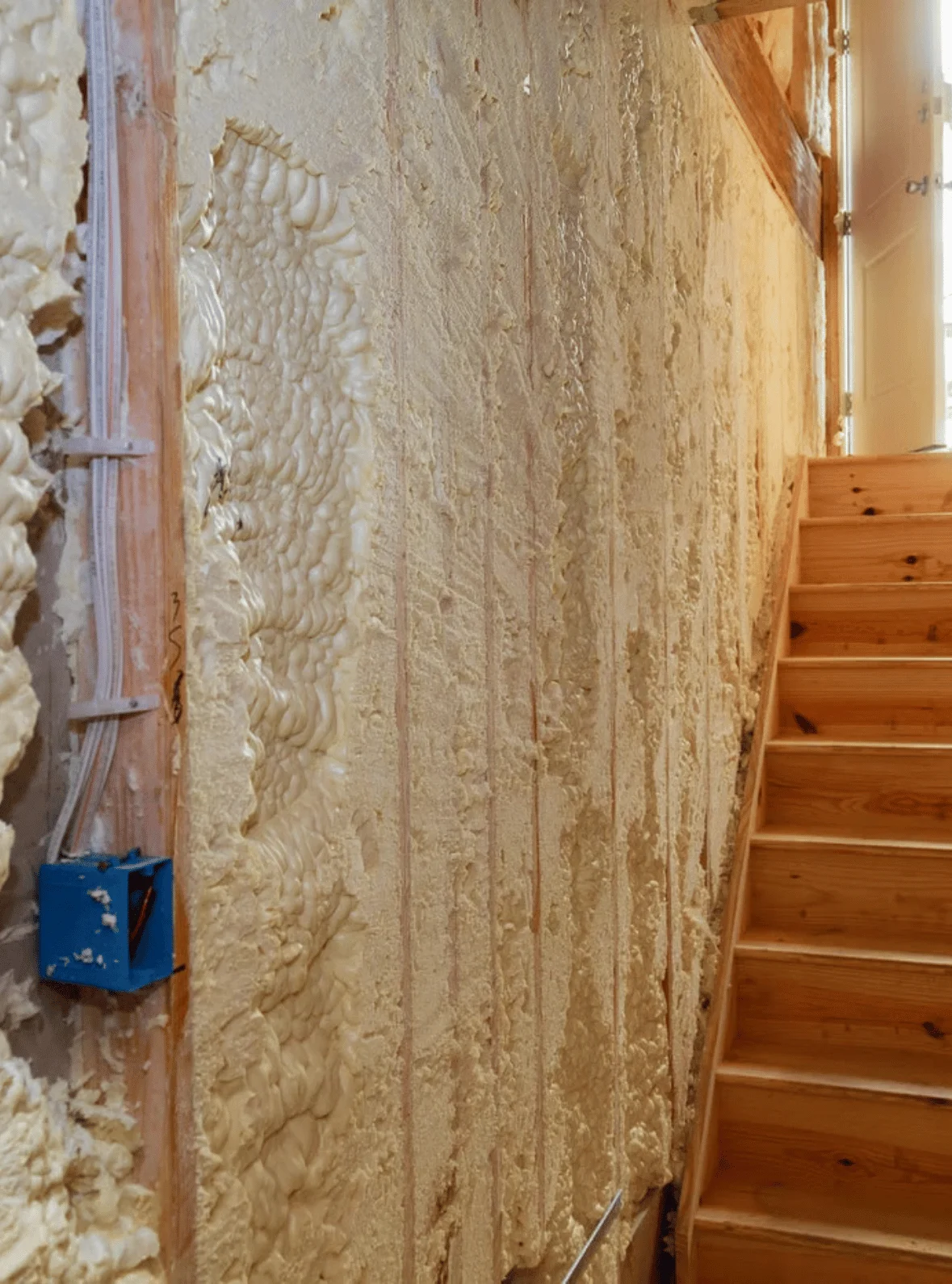
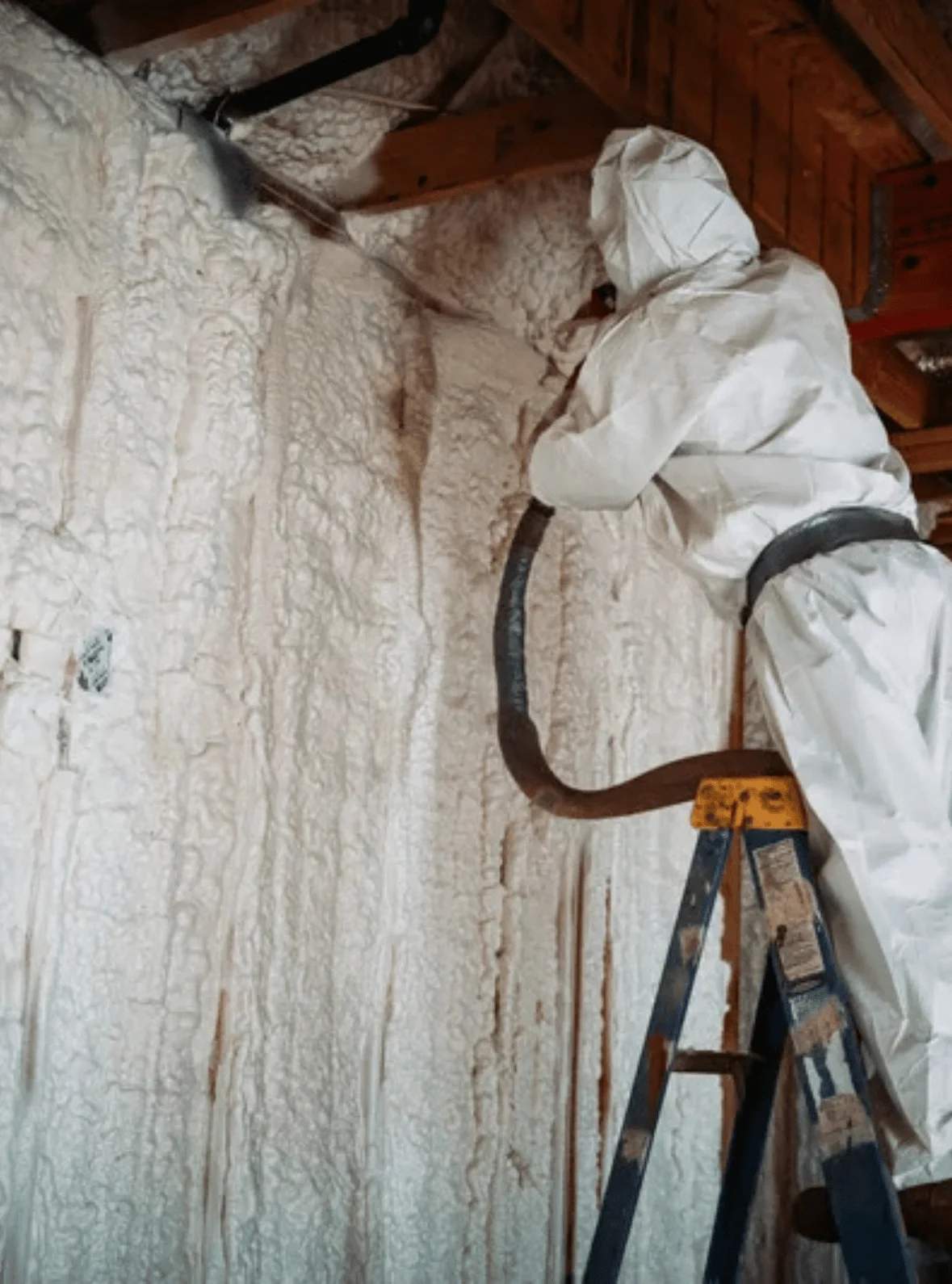
Sale Stalled? Mortgage Refused? We Remove Spray Foam Properly
Portsmouth’s property market moves quickly, and spray foam can bring a sale or remortgage to a complete stop. Our specialist teams survey your loft independently, remove every trace of foam, inspect the roof timbers for hidden moisture damage, and provide the full documentation your lender, surveyor or solicitor needs to proceed. Free online estimates. Clear pricing. No obligation.
Portsmouth’s Housing Stock and Why Spray Foam Is Such a Common Problem Here
Portsmouth is unlike almost anywhere else in the country when it comes to housing. As the UK’s only island city — built largely on low-lying Portsea Island and one of the most densely populated places in the country — its streets are dominated by tightly packed Victorian and Edwardian terraces, originally thrown up in their thousands in the late nineteenth century to house Royal Navy dockyard workers and their families. Districts like Fratton, Landport, Buckland, Stamshaw, North End and much of Southsea are still defined by these two-up-two-down and bay-fronted terraces today.
Layered on top of that is a large stock of post-war housing. Portsmouth was one of the most heavily bombed cities in Britain during the Second World War, and the rebuilding that followed produced extensive council estates and 1950s–60s housing across areas such as Paulsgrove, Portsea, Somerstown and Buckland. On the mainland fringes — Cosham, Drayton, Farlington, Copnor and Hilsea — inter-war semis from the 1920s and 30s fill out the picture.
What connects these very different homes is a shared vulnerability to spray foam. They were built with ventilated “cold roof” structures that rely on natural airflow through the loft. Spray foam sealed against the rafters shuts that ventilation down, traps moisture against the timbers, and prevents a surveyor from inspecting the roof structure — which is exactly why mortgage lenders increasingly refuse to lend on affected properties at the point of sale, remortgage or equity release.
Portsmouth’s position on the Solent makes this worse. Salt-laden air, persistent coastal humidity and the temperature swings of a low-lying maritime location accelerate the moisture damage that trapped foam causes, so decay can develop noticeably faster here than on comparable inland properties.
Why Acting Before Your Transaction Is Almost Always the Better Option
The Southsea case is a pattern we see constantly across Portsmouth: foam discovered mid-sale, the transaction collapses, and the homeowner then resolves it under far more pressure — often with a relisting that prompts awkward questions from new buyers. If you know or suspect there’s foam in your loft, dealing with it proactively gives you the upper hand:
For Portsmouth homeowners who know or suspect spray foam is in their loft, acting proactively — before a transaction goes live — delivers several important advantages:
- You control the timeline, rather than working against a buyer’s deadline or a lender’s notice period
- You can market the property with confidence, having already removed the issue that would otherwise derail a sale
- You avoid the reputational hit of a sale falling through and the property going back to market
- You have time to understand the full scope of work — including any remedial works removal reveals — without emergency pressure
- For a remortgage, you can plan around your existing deal’s end date instead of scrambling when an application is declined
Which Portsmouth Properties Are Most Commonly Affected?
- Victorian & Edwardian naval terraces (Fratton, Landport, Buckland, Stamshaw, North End, Southsea): Late-nineteenth-century terraces built for dockyard and naval families. Designed for natural ventilation, they’re particularly prone to moisture damage when foam seals the roof void — and the Solent’s proximity compounds the risk.
- Southsea seaside villas and terraces: A mix of grander Victorian and Edwardian properties, often higher-value, where lender scrutiny at valuation is intense and the consequences of a down-valuation are significant.
- Post-war and 1950s–60s housing (Paulsgrove, Portsea, Somerstown, Buckland): Built during the city’s reconstruction after wartime bombing and widely targeted by later insulation schemes. Foam discovery during surveys is common in this stock.
- Inter-war semis (Cosham, Drayton, Farlington, Copnor, Hilsea): 1920s–30s mainland housing where roof timbers are now at an age when trapped moisture can begin causing early-stage decay, making prompt removal and inspection worthwhile.
- Old Portsmouth & conservation-area properties: Historic and characterful homes where removal itself is unrestricted internal work, but any external remedial roofing afterwards may need to respect conservation-area materials and consents.
Portsmouth's Housing Stock: Which Properties Are Most Commonly Affected?
Portsmouth‘s unusual breadth of housing types — from one of England’s largest naval port cities to a national park and one of its most historic county towns — means spray foam affects properties here in a range of different ways:
- Portsmouth and Southsea Victorian naval terraces: Streets of two-up-two-down and bay-fronted terraces built in the late nineteenth century for dockyard workers and naval families. These properties were designed for natural ventilation and are particularly susceptible to moisture damage when spray foam seals the roof void. The Solent's proximity compounds this risk significantly.
- Southampton post-war and 1960s–1980s housing: Built as part of Southampton's reconstruction after wartime bombing, this housing stock — particularly in Shirley, Bitterne, Woolston, and the suburbs east of the city — was widely targeted by early insulation schemes. Spray foam discovery during surveys is very common in this property type.
- Basingstoke new-town era properties: Basingstoke's rapid expansion from the 1960s onwards created large estates of 1970s–1980s family homes that were among the most systematically targeted by energy efficiency schemes in the county. Survey discoveries here are routine.
- Winchester Georgian and Victorian city centre properties: High-value historic city housing where lender scrutiny at valuation is intense. The consequences of a nil valuation in Winchester are significant given the property values involved, and the conservation area context means any external remedial works require careful consideration.
- New Forest rural properties and vernacular cottages: Traditional Portsmouth brick, flint, and timber construction where spray foam disrupts the natural moisture management of the building. The New Forest AONB designation means planning consent may be needed for certain external remedial works following removal.
📍 Areas We Cover Across Portsmouth & the Solent
We provide independent spray foam surveys and removal right across Portsmouth and the surrounding Solent area, including:
- Southsea
- Copnor
- Farlington
- Milton
- Landport
- Paulsgrove
- Gosport
- Waterlooville
- Lee-on-the-Solent
- Fratton
- Cosham
- Hilsea
- Baffins
- Buckland
- Port Solent
- Fareham
- Hayling Island
- Stubbington
- North End
- Drayton
- Eastney
- Stamshaw
- Portchester
- Havant
- Emsworth
- Portsea Island (all)
- Old Portsmouth
Outside this list? We cover the whole of Hampshire and operate nationwide — see all areas covered or call 07846 196539.
Why Portsmouth Homeowners Choose Us
Spray Foam Specialists, Not Generalists
Spray foam removal is what we do, all day, every day. That focus means we understand foam types, removal techniques and the moisture problems they cause far better than a general roofing firm taking it on as a sideline.
Independent, Impartial Surveys
Our survey tells you what’s actually in your loft and what genuinely needs doing — not an inflated scope designed to sell you a new roof. You get an honest assessment and a clear recommendation.
Lender, Surveyor & Solicitor-Ready Documentation
Every removal is backed by full written documentation confirming complete removal, timber condition and any remedial work — formatted to satisfy mortgage lenders and conveyancers so your transaction can move.
Full Remedial Solutions
We don’t just strip the foam out and leave. We reinstate proper ventilation, address any damage the foam concealed, and can arrange roof replacement where it’s genuinely needed.
Nationwide Reach, Local Teams
We work right across the UK with teams who know their patch — including Portsmouth’s terraced streets and the specific demands of coastal property.
Free Online Estimate & Clear Pricing
Get an early indication of cost before you commit, with transparent, itemised pricing confirmed after survey.
Get a Free Online Estimate for Your Portsmouth Property
Use our free online estimate tool for an early indication of cost and next steps, or contact us directly to arrange an independent spray foam survey. We cover the whole of Portsmouth and are experienced scheduling around live transactions, conveyancing deadlines and mortgage-renewal timelines.
FAQ's
Frequently Asked Questions
No — removing foam from inside the loft is internal work and needs no consent, even in Old Portsmouth or Southsea’s conservation areas. It only becomes relevant if remedial works afterwards involve external changes to the roof, such as replacing ridge tiles or slates, where materials may need to match and consent may be required. We’ll flag anything relevant at survey stage.
Yes. Portsmouth’s Victorian naval terraces were built with naturally ventilated roofs and, across Fratton, Landport, Southsea and North End, were widely fitted with foam during later energy-efficiency drives. If you own one of these properties and haven’t checked your loft recently, it’s worth doing before any sale or mortgage application.
In terms of structural risk, yes. The Solent’s salt air, high humidity and maritime temperature swings create conditions where moisture trapped by foam can cause timber decay to develop faster than inland. Coastal properties in our area regularly show higher moisture readings than comparable inland homes with foam of the same age — though your survey will give the accurate picture for your home.
It depends on size, roof complexity and foam type. A standard Portsmouth terrace usually takes one to two days; a larger property or extensive coverage may take longer. We give you a clear timeline after the survey.
Costs vary with property size, foam type, extent of coverage and roof complexity. Our free online estimate tool gives you a realistic early indication before you commit, and full itemised pricing is confirmed after the survey — no hidden charges, no obligation to proceed.
Request a Free Spray Foam Survey in Portsmouth
Fill in the form below and we’ll get back to you as soon as possible. For urgent enquiries — especially where a sale or mortgage is at stake — call us directly on 07846 196539.