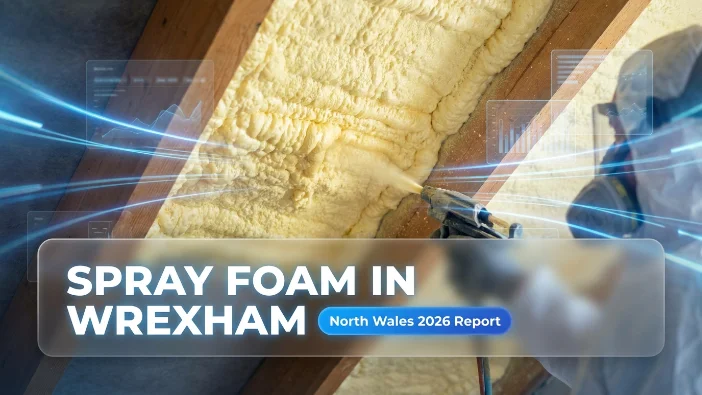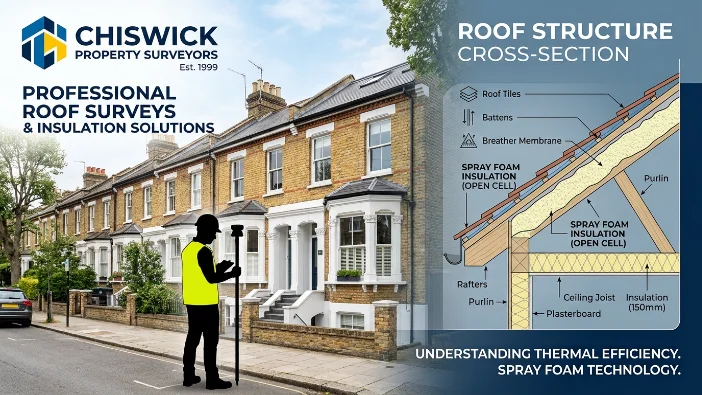
Professional spray foam removal services are available through local insulation contractors, specialty foam removal companies, and national franchise networks like iFOAM. The fastest ways to find a qualified provider near you are Google Search (“spray foam removal near me”), Angi, Yelp, or the Spray Polyurethane Foam Alliance (SPFA) contractor directory at sprayfoam.org. Always verify the contractor is licensed, insured, and experienced specifically with spray foam before booking.
Why Spray Foam Removal Requires a Professional
Spray foam insulation bonds permanently to virtually any surface once fully cured. Removing it is labor-intensive and generates fine dust and particles that require proper containment, HEPA filtration equipment, and personal protective gear.
Attempting DIY removal across a large area carries real risks:
- Health hazards from airborne polyurethane particles without proper respiratory protection
- Structural damage from improper cutting or grinding against framing, decking, or substrate
- Mold exposure if moisture or rot has developed behind the foam
- Disposal compliance issues — some municipalities have rules on how foam waste must be bagged and discarded
According to insulation specialists, DIY removal is only realistic for small, localized areas (around window frames, plumbing penetrations, or outlet boxes). Anything covering more than a few hundred square feet typically warrants professional service.
Common Reasons Homeowners Need Spray Foam Removal
Understanding why removal is needed helps you communicate clearly with contractors and get accurate quotes:
- Improper or failed installation — uneven application, off-ratio mixing, or wrong product used
- Moisture damage or mold growth — open-cell foam in particular can absorb water and trap it against roof decking or framing
- Home sale or mortgage complications — lenders and surveyors may flag spray foam in roof spaces, requiring removal before a property can be mortgaged
- Renovation or remodeling — structural changes that require access to areas currently covered by foam
- Pest infestation — rodent activity or nesting found behind or within foam insulation
- Age and deterioration — foam that has degraded, shrunk, or separated from surfaces over time
How Much Does Spray Foam Removal Cost?
Spray foam removal costs vary based on foam type, area size, location accessibility, and condition of the substrate. Below are current 2026 estimates from multiple verified sources:
| Project Type | Typical Cost Range |
|---|---|
| Standard machine removal | $1.50 – $3.00 per sq ft |
| Hand-chipping required (walls, tight spaces) | $3.00 – $5.00 per sq ft |
| Old insulation removal (added to re-insulation project) | $1.00 – $2.50 per sq ft |
| Full attic removal project (avg. 1,000 sq ft) | $1,500 – $5,000+ |
| Mold remediation (if needed post-removal) | $1,500 – $3,500 |
Prices commonly reported across industry sources. Actual costs vary by region, contractor, and project complexity. Always get multiple quotes.
Factors that push costs higher include limited access (crawl spaces, low-pitched roofs), the need for negative air pressure containment systems, mold or moisture damage behind the foam, and large project volume that requires multiple removal sessions.
How to Find Spray Foam Removal Services Near You
1. Search Online Directories
Start with these platforms to find and compare local providers:
- Google Search — “spray foam removal [your city]” surfaces local businesses with reviews and ratings
- Angi (formerly Angie’s List) at angi.com — filter for insulation removal specialists and read verified reviews
- Yelp — useful for checking photo evidence of past work
- SPFA Contractor Directory at sprayfoam.org — lists members of the Spray Polyurethane Foam Alliance, an indicator of professional standards
2. Ask for Referrals
Personal referrals from neighbors, real estate agents, or roofing contractors who have seen completed removal work are often more reliable than online listings alone. If a neighbor recently had spray foam removed, ask about their experience and whether the result was mortgage-compliant.
3. Contact National Franchise Networks
Larger franchise operations like iFOAM operate in multiple states and offer free in-home assessments. They provide standardized processes and written estimates, which can be useful for comparing against local independents.
What to Look for When Hiring a Spray Foam Removal Contractor
Not every insulation company has experience specifically with spray foam removal. Before booking, confirm the following:
Licensing and Insurance Verify the contractor holds a current state contractor’s license and carries general liability insurance. This is non-negotiable — spray foam removal carries risk of property damage and health hazards.
Spray Foam-Specific Experience Ask directly: “How many spray foam removal projects have you completed?” A general insulation company may have experience with blown-in or fiberglass removal but limited exposure to cured polyurethane foam, which behaves very differently.
Containment and Safety Protocols Reputable contractors use containment systems, negative air pressure, and HEPA filtration to prevent foam dust from spreading through the living space. Ask how they protect adjacent areas during work.
Written Estimate and Scope Get a detailed written quote that specifies the area covered, removal method, debris disposal plan, and whether the price includes cleanup and substrate inspection.
Reviews and References Check Google reviews, the Better Business Bureau (bbb.org), and ask for references from jobs completed at least 6–12 months ago. This gives time for any post-removal issues (like moisture or structural problems) to surface.
SPFA Membership Contractors who are members of the Spray Polyurethane Foam Alliance have demonstrated a commitment to industry standards. This isn’t the only indicator of quality, but it’s a useful signal.
What Happens During a Professional Spray Foam Removal?
Most professional spray foam removal services follow a similar process:
- Inspection and assessment — contractor evaluates foam type, thickness, substrate condition, and any mold or moisture present
- Containment setup — work area is sealed, negative air pressure established, HEPA filtration activated
- Mechanical removal — cutting, grinding, or vacuuming depending on foam type and location; open-cell foam is generally easier to remove than rigid closed-cell foam
- Substrate inspection — underlying structure checked for rot, moisture damage, or mold
- Disinfection (if needed) — antimicrobial treatment applied where contamination is found
- Cleanup and disposal — foam debris bagged and removed from property in compliance with local waste rules
- Preparation for new insulation — surfaces cleaned and ready for replacement insulation if applicable
Most residential projects are completed within one to two days, though larger or more complex jobs may take longer.
Can You Remove Only Part of the Spray Foam?
Yes. Localized or partial removal is possible and commonly done for repairs, targeted renovations, or when only a specific section is damaged. A qualified contractor can remove foam from a defined area without disturbing the rest, as long as proper technique is used to avoid creating gaps or insulation bridges in the remaining material.
FAQs
Why do mortgage lenders refuse properties with spray foam insulation?
Spray foam applied directly to roof timbers prevents surveyors from visually inspecting the structural integrity of the roof. Without that inspection, lenders cannot adequately assess the property as security for a mortgage and commonly decline the application
Will removing spray foam definitely fix my mortgage refusal?
It significantly improves the position, but the lender will require a new survey after removal to confirm the roof structure is in acceptable condition.
Is spray foam removal covered by my home insurance?
Generally no — spray foam removal is typically treated as a home improvement or rectification cost rather than an insured event. Check your specific policy, but most standard home insurance policies do not cover this.
How long does spray foam removal take?
Most loft removals are completed within one to two days. Larger properties or those with roof complications may take longer. Spray Foam Removal UK will give you a clear timeline at the estimate stage.
Do I need a survey before removal?
A survey or assessment before removal helps the contractor understand the foam type, condition, and what is needed — which produces a more accurate quote and avoids surprises on the day. Spray Foam Removal UK offers a professional spray foam survey as a standalone service